
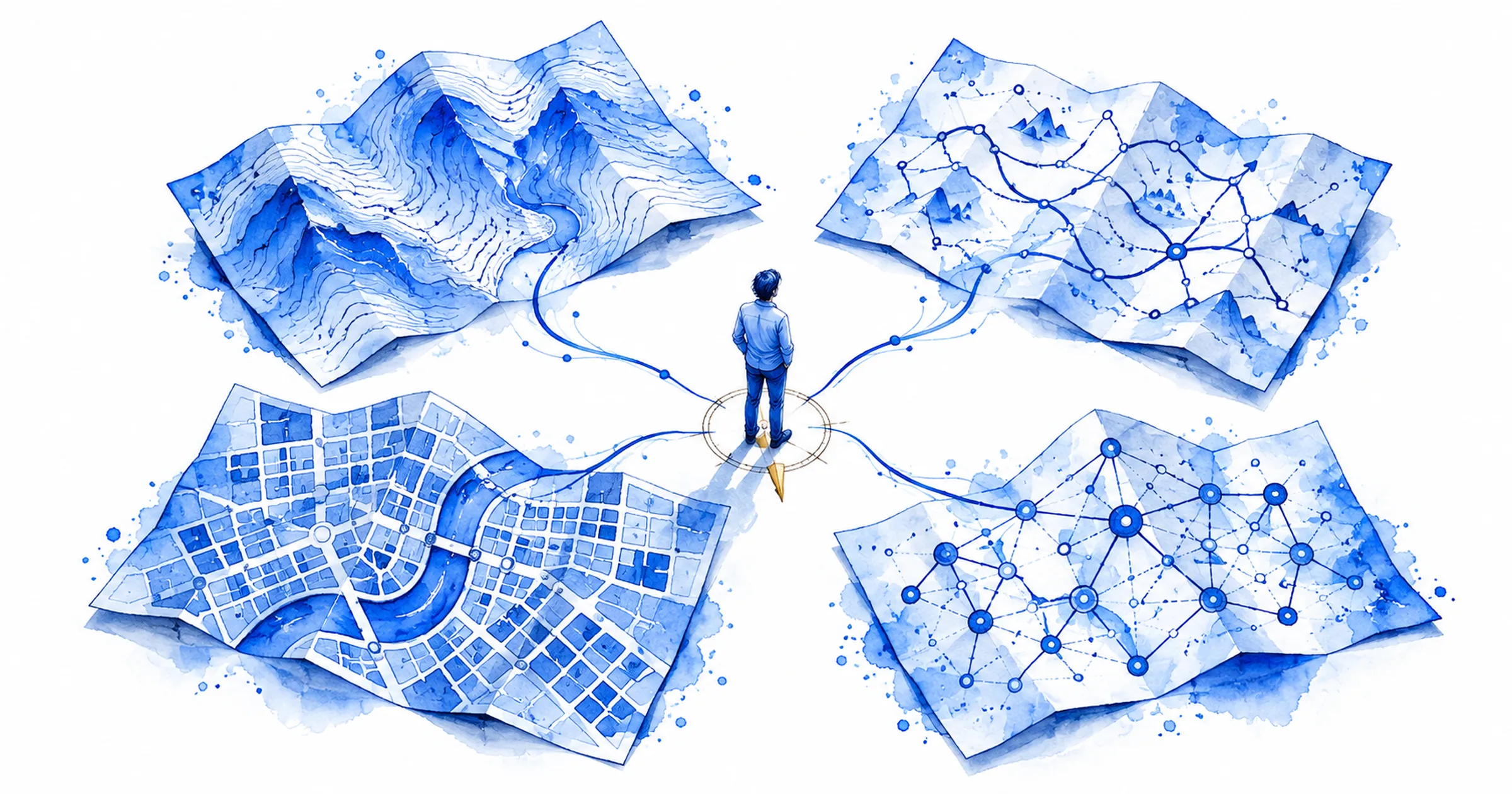
Psychology, Psychotherapy, Coaching & NLP
People working with human behaviour have an impressive talent for defending their own profession. Psychologists can sometimes speak as if nobody understood human beings before psychology became a discipline. Coaches occasionally behave as if asking three good questions has made the entire field of psychology redundant. And NLP practitioners have certainly contributed their fair share of claims that would benefit from considerably less enthusiasm.
These fields overlap. They borrow from one another. They sometimes ask similar questions. They can even use techniques that look remarkably similar from the outside. They are still not the same thing. And none of them has exclusive ownership of human change.
Psychology is a discipline, not a single method
Psychology is the scientific study of behaviour and mental processes, with applications ranging from research and assessment to organisations, education, health and clinical practice. Psychologists may work in very different areas, and being a psychologist does not automatically mean being a psychotherapist. That distinction gets blurred surprisingly often.
A psychology degree provides a substantial foundation for understanding human behaviour. It does not confer omniscience. Psychologists still work through theoretical frameworks, interpret information and choose between different approaches. The field itself contains competing theories, changing evidence and more than one respectable disagreement about how people work.
Which, given the subject matter, seems appropriate. Studying humans does not make humans less complicated.
Psychotherapy has a particular job
Psychotherapy is a professional therapeutic practice aimed at working with psychological distress, dysfunctional patterns, mental health difficulties and other problems that may require therapeutic intervention.
Psychotherapy is also not psychiatry. Psychiatry is a medical specialty, practised by doctors who can assess mental health conditions and prescribe medication when appropriate. The two fields may work together, but they are not interchangeable.
Psychotherapy has substantial evidence supporting its effectiveness overall. That does not mean every therapy works equally well for every person, or that every therapist is equally effective. Even evidence-based practice explicitly combines research evidence with professional expertise and the characteristics, culture and preferences of the individual.
In less elegant language: a scientifically supported method can still be the wrong method, with the wrong person, at the wrong time. Evidence matters. So does the human being sitting in the room.
Some people also find value in spiritual or contemplative practices. Those experiences can be meaningful without needing to become psychology, psychotherapy or medicine in order to justify their place in someone’s life.
Different kinds of support can serve different purposes. Confusion usually begins when we ask one of them to pretend it is another.
Coaching is not therapy with better branding
Coaching has a different primary purpose. The International Coaching Federation (ICF) defines coaching as ‘partnering with clients in a thought-provoking and creative process that inspires them to maximize their personal and professional potential’.
In practice, coaching tends to work with goals, decisions, performance, development, behaviour and movement from a current situation towards a desired one.
A coach does not need to diagnose you. They also should not quietly start practising psychotherapy because the conversation became emotional. Having feelings in a coaching session does not turn coaching into therapy. Humans inconveniently bring emotions almost everywhere.
The boundary is not whether emotion appears. It is the nature of the problem being addressed, the purpose of the work and the competence required to work with it responsibly.
NLP is neither psychology nor psychotherapy
NLP is a collection of models and methods concerned with subjective experience, language, communication and patterns of response. It can be used inside coaching, training, communication and personal development. Some practitioners also integrate NLP into psychotherapy when their professional qualifications allow them to do so.
But NLP training itself does not turn someone into a psychologist or psychotherapist. A certificate cannot quietly acquire another profession while nobody is looking.
The same principle works in the other direction. Being a psychologist does not automatically make someone an excellent coach. Being a psychotherapist does not automatically make someone an excellent trainer. And having an impressive coaching credential does not automatically make someone good at understanding every psychological process that walks through the door.
Qualifications tell us something important. They do not tell us everything.
There is more overlap than the professions sometimes like to admit
Ask a psychologist, psychotherapist, coach and NLP practitioner to help someone who repeatedly avoids a difficult conversation and you may hear very different language. A psychologist might explore learned patterns. A psychotherapist may investigate the emotional meaning of conflict. A coach may focus on the outcome, choices and next action. An NLP practitioner may pay particular attention to internal representations, language and the structure of the response.
Different maps. Sometimes they lead to surprisingly similar places. That does not make the disciplines interchangeable. It simply means human problems rarely respect professional filing systems.
And none of them works for everyone

This should be obvious by now, yet we keep needing to say it.
A person can spend months with an excellent psychotherapist and make little progress. Someone else can have one conversation that changes the way they see a problem for years. A coach can be transformative for one client and deeply irritating to another. An NLP technique can create a significant shift for somebody and absolutely nothing interesting for the person sitting next to them. That does not automatically prove or disprove the entire discipline involved.
Sometimes the method is wrong. Sometimes the practitioner is wrong. Sometimes the timing is wrong. Sometimes the client is not ready. Sometimes two perfectly competent people simply do not work well together.
Professional qualifications do not repeal human individuality.
So which one do you need?
It depends on what you are actually trying to do.
If you are experiencing significant psychological distress, persistent symptoms, trauma-related difficulties, impaired functioning or concerns about your mental health, appropriately qualified psychological or psychotherapeutic support is the right place to start.
If you are primarily working on goals, performance, decisions, leadership, development or behaviour in a functioning life or professional context, coaching may be a better fit.
If you want to study communication, subjective experience and practical models for recognising and experimenting with patterns in thinking and behaviour, NLP may offer useful tools.
Sometimes more than one is appropriate. At other times, the most responsible thing a practitioner can say is: ‘This is not my job. You need someone else.’ I consider that competence, not failure.
How I work across them
My own background crosses several of these territories, which makes the distinctions more important to me, not less.
I draw from psychology when psychology is relevant. I coach when the work is coaching. I use NLP models when they provide a useful way of noticing or working with a pattern. And I teach when the job is learning.
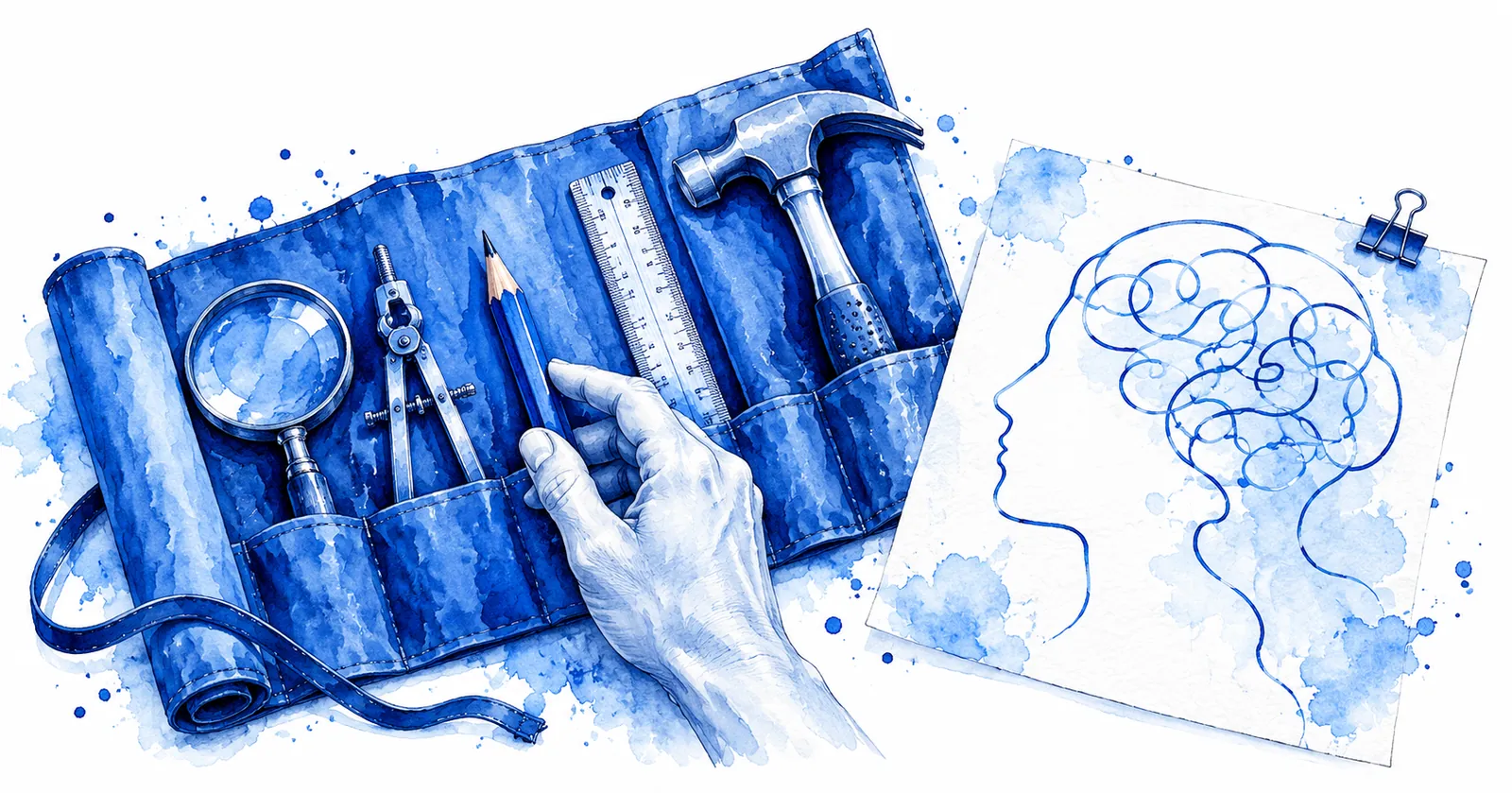
I have very little interest in forcing every human problem through my favourite framework. If the only tool you trust is a hammer, eventually human beings begin to look suspiciously like nails.
The tool should serve the person. Not the other way around.